
Gutter Installation Cost in Des Moines, Iowa (2026)
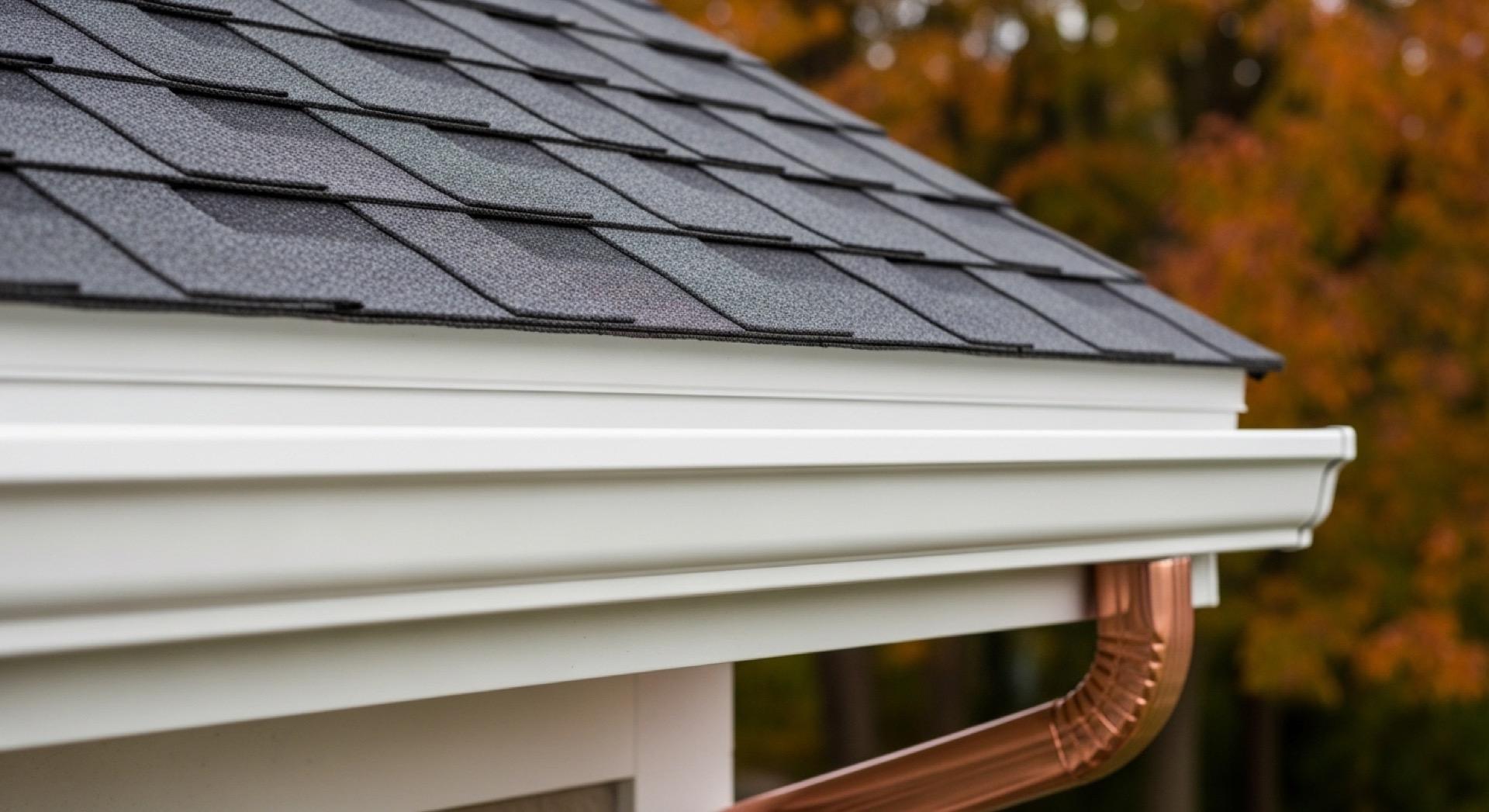
Standard 5 inch seamless aluminum gutters are listed in our Des Moines planning guide at $8 to $12 per linear foot installed. The existing full-replacement planning range is $1,500 to $3,500, but the length, gutter size, downspouts, access, and condition of the fascia determine your written quote.
Use those numbers to compare scope, not to promise a total before someone measures the house. A short, accessible run and a two-story roofline with damaged wood aren't the same job.
What does seamless gutter installation cost per foot?
Our published planning ranges are:
- 5 inch K-style seamless aluminum: $8 to $12 per linear foot installed.
- 6 inch seamless aluminum: $12 to $16 per linear foot.
- Leaf guards: an additional $6 to $10 per linear foot.
- An added downspout: $75 to $200, depending on length and elbows.
- Gutter repairs: $200 to $650 for the repair scopes described below.
These are planning figures from this guide, not a new survey of local prices. Ask for a current gutter installation quote with the exact measurements and work included. Material choices, difficult access, removal, and wood repairs can change the total.
A per-foot figure is only useful when you know what it covers. Compare the same size and material, and ask whether downspouts, removal, disposal, hangers, and guards are included or priced separately. Don't add an allowance twice when it's already part of the quote.
What would 150 feet of gutters cost?
For an illustration using the ranges above, 150 linear feet of 5 inch gutters at $8 to $12 per foot gives a gutter-line allowance of $1,200 to $1,800. The same 150 feet in 6 inch gutters at $12 to $16 gives $1,800 to $2,400.
Adding guards to 150 feet at $6 to $10 per foot adds $900 to $1,500. That's why a guarded system can cost substantially more than replacing the gutters alone.
Those calculations aren't completed Bakeris Roofing jobs or quotes for a particular house. They show how footage and options affect the budget. Confirm the downspout count, removal, access, and fascia work before treating any calculation as a whole-project total.
Measure gutter runs, not the square footage of your home. Two homes with the same floor area can have different rooflines, corners, and drainage needs. A contractor's site measurements are the basis for a firm price.
Do you need 5 inch or 6 inch gutters?
If you're checking overflow before winter, start with our ground-level fall gutter check. It helps you record the water path before deciding whether to clean, repair or replace the system.
Choose the size around the roof area draining into each run and the available downspouts. Overflow can come from blocked outlets, incorrect slope, or poor downspout placement as well as an undersized gutter. Bigger gutters won't fix every drainage problem.
Tell the estimator where water spills during heavy rain and whether it happens after the gutters are cleaned. Photos taken safely from the ground can help. Large roof planes or valleys concentrating water into one section deserve particular attention.
Seamless aluminum runs are formed to length, reducing the number of joints along the run. Corners, end caps, and outlets still need sound connections. Ask about attachment and drainage, not just the gutter style.
Are leaf guards worth the added cost?
Guards are an option to compare when leaves and debris repeatedly block your gutters. Consider the trees near the house, the debris they shed, the guard design, and how the system can be cleaned. Ask what maintenance the installer recommends and what the warranty excludes.
Guards aren't maintenance-free, and this guide doesn't promise that they'll pay for themselves. Compare the additional installation cost with your actual cleaning needs.
They also aren't a fix for ice dams. The University of Minnesota Extension's ice dam guidance explains how heat escaping from the house contributes to roof snow melting and refreezing at colder edges. Air sealing and insulation need attention when that happens. Keep drainage clear, but don't buy guards as a substitute for diagnosing an attic or roof problem.
Should you repair the gutters or replace them?
An isolated leaking connection, loose hanger, or damaged section can be a repair job. Ask whether the remaining gutters have usable life and whether the proposed repair corrects the cause of the problem.
Replacement is worth comparing when damage is widespread, attachment keeps failing, or the layout needs to change. If the fascia is soft or rotten, new gutters need a sound attachment surface. Have the quote identify the wood repair and how additional hidden damage will be handled.
If you're planning roof replacement, discuss the order of work before installing new gutters. Work at the roof edge affects the drip edge and the gutter connection. If water is entering the house, a roof repair diagnosis can distinguish a roof problem from gutter overflow.
Storm damage also needs its own assessment. Coverage depends on your policy, the cause, and the insurer's decision. A gutter replacement estimate isn't a promise that insurance will pay.
What should be in your gutter quote?
Before comparing totals, check that each quote identifies:
- Measured gutter footage, size, material, and color.
- Downspout count, size, location, and where water will discharge.
- Removal and disposal of the old system.
- Hangers, connections, and any fascia replacement.
- Guard product and maintenance requirements, if included.
- Written workmanship warranty and payment terms.
Bakeris Roofing serves Des Moines, Altoona, and the surrounding metro. Call (515) 967-8199 or request a quote. Tell us whether you're replacing the whole system, fixing one section, or coordinating gutters with roof work. We'll need the actual roofline and condition of the attachment surface to price the job.