
Storm Damage Roof Inspection Guide for Iowa Homeowners (2026)
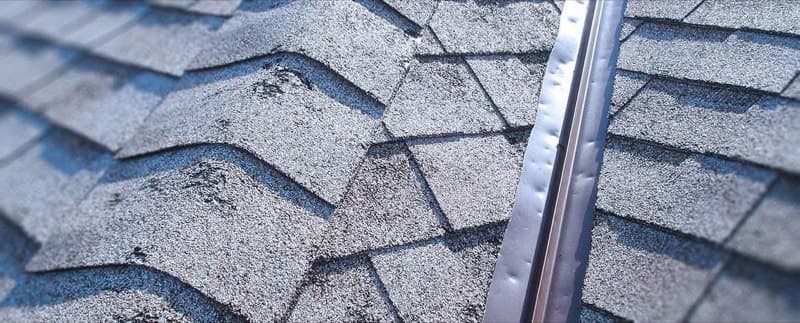
Hail just rolled through Polk County. Your neighbor is already calling a roofer. Before you do, here's what to check yourself in the next 24 hours.
A 15-minute walk-around can tell you whether you've actually got damage, whether it's worth a professional look, or whether your roof shrugged it off. Do it before anyone else sets foot on your property.
Why same-day inspection matters in Iowa
Claim deadlines vary by policy and insurer, and the clock starts the day of the storm, not the day you notice the leak. Wait too long and the carrier can argue the damage came from a later event, or worse, normal wear. Either way, you lose the proof that ties the damage to that storm.
There's a second problem unique to Iowa weather. Damaged shingles get hammered by freeze-thaw cycles starting in November, and a small bruise in May becomes a leaking deck by February. Catching damage in the 24 to 72 hours after a storm gives you the cleanest documentation and the strongest claim if you need one.
Ground-level signs you took damage (check these first)
Start in the yard. You don't need a ladder for this part, and honestly, the ground tells you most of what you need to know.
Walk the perimeter of the house and look at the gutters. Round dents, fresh dings, or bent sections almost always mean hail hit hard enough to bruise shingles too. Same goes for your AC condenser unit, garage doors, mailbox, and grill cover. If the soft aluminum stuff got pocked, the roof got pocked.
Check window screens for tears or punch-through holes. Look at the yard for leaves and small branches stripped off your trees, that's a wind indicator. Then look at the bottom of your downspouts and any landscape rock near the foundation. If you see piles of black, brown, or gray sand-like granules, those came off your shingles. Some granule loss is normal, but a fresh pile after a storm is a red flag.
From a ladder (only if you're comfortable, don't climb the roof)
Get a ladder against the lowest edge of each slope and look across the surface. Don't step onto the roof. Wet shingles after a storm are slick, and you can damage perfectly good shingles by walking on them when they're hot or soft.
What you're scanning for: missing shingles, shingles that look lifted at the corners, shingles curled or peeled back, and tabs that look creased like someone bent them and let go. On the ridge of the roof, check the cap shingles, they sit higher and take the worst of the wind. If they're displaced or missing, that's an obvious wind hit.
If you've got binoculars, use them from the ground instead of the ladder. Honestly, that's the move for most homeowners. A solid pair of 10x binoculars will show you everything a ladder will, and you keep both feet on the grass.
Attic check (easiest signal of trouble)
This is the one most homeowners skip and it's the most useful. Grab a flashlight and head up to the attic during the day. Turn the flashlight off once you're up there.
Look up at the underside of the roof deck. If you can see daylight coming through anywhere that isn't a vent, you've got a hole. Run the flashlight across the rafters and the decking, looking for fresh water stains, dark streaks, or wet insulation. Smell matters too. A damp, musty smell in an attic that's usually dry means moisture got in recently.
Check the insulation directly under each slope. Wet or compressed spots tell you exactly where water came through. And look for granules on the attic floor near vent boots or chimney flashing, that means shingles above are shedding and the seal is going.
Hail damage signs vs. wear damage signs (don't confuse them)
This is where homeowners get tripped up, and where bad inspectors take advantage. Hail damage and wear damage look different if you know what you're looking at.
Hail bruises show up as circular dark spots, usually about the size of a dime to a quarter, where the granules got knocked off in a concentrated round pattern. The shingle underneath often feels soft to the touch, like a bruise on an apple. You'll see these in random scatter patterns across the slope, not in rows.
Wear damage looks completely different. Curling at the edges, granule loss spread evenly across the whole shingle, cracks that run with the grain of the shingle, and a generally dried-out look. Wear happens slowly and uniformly. Hail happens in one afternoon and looks chaotic.
If a slope has both, that's normal for older roofs. Fresh bruising on top of an aging shingle is still worth documenting; the insurer determines coverage.
Wind damage signs (different from hail)
Wind doesn't bruise, it lifts and creases. The signs are different and sometimes more obvious than hail.
Look for shingles with a horizontal crease line across them, like a piece of paper that got folded and unfolded. That crease breaks the seal underneath and the shingle won't lay flat again, even if it looks okay from a distance. You'll also see missing tabs (the bottom edge of a shingle torn off), lifted sections that flap when you push them with a broom handle, and exposed starter strip along the eaves.
Check the flashing around chimneys, vent pipes, and where the roof meets a wall. High winds pull flashing loose, and that's where leaks start months later. If you see metal flashing bent up or separated from the surface it's supposed to seal, that's a wind hit.
Document everything, what to photograph
Whether you end up filing a claim or not, document it now. Memory fades, weather changes, and adjusters care about evidence.
Take wide shots of each side of the house from the ground, all four elevations. Then close-ups of every dent, dinged gutter, damaged screen, and granule pile you found. Photograph the AC unit, the garage door, the mailbox, anything metal that got hit. Inside the attic, photograph water stains, daylight holes, and wet insulation.
Use your phone's camera with location services turned on, that embeds GPS and timestamp into the photo's metadata. Keep them in a dedicated album labeled with the storm date. If you have a Ring camera or doorbell that caught the storm, save that video too. Hail size on video is gold for an adjuster.
When to call a roofer (the decision tree)
Here's the simple version. If you found obvious damage (missing shingles, daylight in the attic, soft bruising you can feel), call a local roofer for a free storm inspection. That's the easy call.
If you found ground-level signs but couldn't see anything from the ladder, still worth a free storm inspection. Most reputable Iowa roofers will walk the roof at no charge after a major storm. They've got the experience and the safety gear, and they can tell in 20 minutes what would take you an hour.
If you found nothing, no granules, no dents, no attic stains, and your neighbors aren't reporting damage either, you probably dodged it. Document what you checked and move on. Don't pay for an inspection just because the news said it stormed.
Red flags from inspectors after a storm
Storm chasers descend on the Des Moines metro within hours of any decent hail event, and most of them are bad news. Know the signs.
Out-of-state plates on the truck. Door-knockers with no local office address. Promises of a "free roof" or "we'll get insurance to pay for the whole thing." Pressure to sign a contract or "contingency agreement" on the spot before they've even climbed the roof. Anyone who tells you their inspector "found damage" you can't see in the photos.
Iowa Code Chapter 507B covers unfair insurance practices and consumer fraud, and the state attorney general has actively prosecuted storm chaser fraud across Polk, Dallas, and Story counties. If a contractor offers to waive or "eat" your deductible, that's insurance fraud under Iowa law, and you'd be a party to it. Walk away.
Ask any inspector three questions: How long have you been in Iowa? Do you have a local office I can drive to? Can I see your liability insurance certificate? If they hesitate on any of those, you've got your answer.
What Bakeris does on a free storm inspection
When you call us at (515) 967-8199, here's what actually happens. Our lead inspector or one of our two crew leads comes out, usually within 24 to 48 hours of your call. We walk every slope of the roof, no shortcuts, and we mark damage with chalk so you can see it in our photos.
You get a written report with photos, a clear yes-or-no on whether there's storm damage worth filing on, and an honest read on next steps. If your roof is fine, we'll tell you that. If the damage isn't storm-related (just wear), we'll tell you that too, and there's a $98 service call fee in that case to cover the trip. If it IS storm damage, the inspection stays free and we walk you through what comes next.
We don't knock doors after storms and we don't hand anyone a contract on the tailgate. We've been doing this in the Des Moines metro for years, and the 700+ Google reviews are from neighbors, not strangers from out of state.
If you confirmed damage and you're ready for the insurance side, read our Iowa Roof Insurance Claim Guide for the next step. For the first-24-hour playbook right after the storm rolls through, check our What To Do After Hail Hits Your Roof guide as a complement read.
About Bakeris Roofing
Bakeris Roofing is a family-run roofing company serving Des Moines, West Des Moines, Ankeny, Urbandale, Waukee, and the surrounding Polk County metro. We specialize in storm damage assessment, full roof replacement, and insurance claim navigation, with 700+ Google reviews from Iowa homeowners.
Think you took damage? Get a free storm inspection.
Call (515) 967-8199 or request an inspection online. Learn more about our storm damage services.