
How to File a Roof Insurance Claim in Iowa (2026): A Step-by-Step Guide
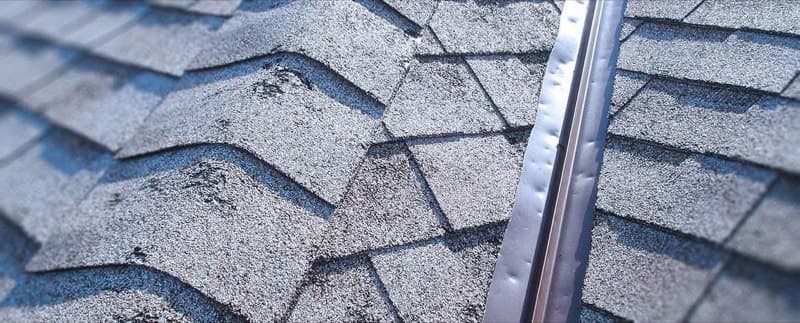
Your roof took hail damage. Now your insurance company is asking for documentation, your neighbor is recommending a "storm chaser" who showed up the day after the storm, and you're trying to figure out who to actually trust. Most Iowa homeowners only file one or two roof claims in their entire lives, so it's no wonder the process feels confusing. Here's how it actually works, in plain English, from somebody who's walked hundreds of Iowa families through it over the past 36 years.
Document the storm damage before you decide
Not every roof issue belongs on a claim. If a couple of shingles blew off in a windstorm and the rest of your roof is in solid shape, paying for a quick repair out of pocket is often the smarter play. Filing a small claim can affect your premium, and depending on your deductible, you might not even come out ahead.
But if you took a real hit, like a hailstorm that left dings across the whole slope, or wind damage that pulled up sections of shingles, that's different. A full roof replacement in central Iowa typically runs $12,000 to $25,000 or more. Whether insurance covers the work depends on your policy and the insurer's decision.
A few signs the damage is worth documenting:
- Hail bruises spread across multiple slopes (not just isolated spots)
- Granule loss heavy enough that you can see the asphalt mat
- Missing or creased shingles in large sections
- Visible leaks or water stains on interior ceilings
- Damage to gutters, soffit, fascia, or window screens from the same storm (this helps prove the event)
If you're not sure, get a free storm inspection from a local roofer before you call your insurance company. Ask your agent or carrier how filing may affect your record or future coverage.
Step 1: Document the damage before anyone touches your roof
This part matters. Once you start the claim, the adjuster wants to see the roof in the same condition it was in right after the storm.
Grab your phone and take photos and video from the ground. Wide shots of each side of the house. Close-ups of any obvious damage you can see from a ladder (don't climb on the roof yourself, that's how people end up in the ER). Photos of dented gutters, dinged window screens, dimples in your car if it was in the driveway. All of it builds the story.
Save every text, email, and voicemail. If a contractor knocked on your door the day of the storm and left a card, save that card. Don't sign anything yet. Don't let anyone "tarp" your roof or remove debris before the adjuster sees it unless you have an active leak that's causing interior damage.
Make a simple folder on your phone or computer labeled with the storm date. Drop everything in there. You'll want it all in one place when the adjuster asks.
Step 2: Get a repair assessment from a local, insured Iowa roofer
This is the step most homeowners skip, and it's the one that costs them the most money.
Here's the sequencing that works: get a local, fully insured Iowa roofing contractor to inspect your home and document what they see with photos, measurements, and a written repair or replacement estimate. Then talk with your insurance agent or carrier about whether opening a claim makes sense under your policy.
Why this order? Because you want a clear construction picture before making an insurance decision. A good local roofer has the time to climb every slope, mark visible damage, and note things like soft decking or flashing damage that affect the repair scope.
That documentation is not claim adjustment or legal advice. It is construction documentation you can use when you talk with your carrier, agent, or a licensed public adjuster.
Step 3: Meet your adjuster on-site
When the adjuster comes out, you can ask your roofer to be available to answer construction questions about the roof, materials, code items, and repair scope.
This isn't about being adversarial or negotiating the claim. Adjusters may have technical questions about ice-and-water shield, drip edge, ventilation, flashing, or material availability. Iowa code has changed over the years, and construction details that were acceptable in 2008 may need to be handled differently in 2026.
A few things to bring up during the on-site meeting:
- Test squares on each slope (typically a 10x10 area) showing hit counts
- Damage to soft metals like vents, flashing, and gutters (often a tell that hail was big enough to damage shingles)
- Code upgrade items required by current Iowa building code
- Any pre-existing repairs and how they relate to the current claim
Take notes. Get the adjuster's name, badge number, and direct contact info.
Step 4: Reading the scope of work
A week or two after the meeting, you'll get a packet from your insurance company. It usually has three main numbers: RCV, ACV, and your deductible.
RCV is Replacement Cost Value, what it'll cost to replace your roof at today's prices.
ACV is Actual Cash Value, RCV minus depreciation based on the age and condition of your old roof. This is the first check most carriers cut.
Deductible is your out-of-pocket portion. For Iowa storm policies, this can be a flat amount or a percentage of your home's insured value.
Here's the part nobody explains clearly: once you actually complete the work, your insurance company releases the recoverable depreciation, that's the difference between ACV and RCV. So if your roof costs $18,000 RCV with $6,000 depreciation and a $2,000 deductible, the first check is $10,000, you pay your $2,000 deductible, and once the work is done and your roofer sends in the final invoice, you get the $6,000 back.
If the scope appears to miss construction items your roofer can clearly document (a damaged ridge vent, a satellite dish detach-and-reset, code upgrades), your roofer can provide photos, estimates, invoices, and technical notes. Your carrier, agent, or a licensed public adjuster handles the claim decision and any claim negotiation.
Step 5: Choosing a roofer (red flags to watch for)
Storm season in Iowa brings out the best and the worst of the industry. The worst show up in fleets of trucks with out-of-state plates, knock doors for two weeks, sign as many contracts as they can, and disappear by August.
Some red flags worth taking seriously:
- Door-knockers who showed up within 48 hours of the storm
- "We'll cover your deductible" or "free roof" offers (this is insurance fraud in Iowa)
- High-pressure sales tactics or same-day signing requirements
- No local office, no Iowa license, no proof of insurance
- Out-of-state plates and a phone number that's not local
- Verbal-only promises and contracts heavy on fine print
- Asking for full payment up front
What you actually want: a contractor with an Iowa address, local references you can call, manufacturer certifications (Owens Corning Platinum Preferred is one of the harder ones to earn), an A+ BBB rating, and real Google reviews you can read.
Take your time. A reputable roofer will still be in business in October.
When to escalate or appeal
Sometimes claims get denied. Sometimes they get underpaid. That doesn't mean it's over.
If your claim is denied and you believe there's storm damage, you can request a re-inspection. Your roofer can document the damage with photos, measurements, and a written scope that you submit to your carrier with your request. If that doesn't work, you can ask your carrier about appraisal, an independent third-party review where each side picks an appraiser, and the two appraisers pick an umpire. It's slower but it works. You can also contact the Iowa Insurance Division with questions about a disputed claim.
For supplements, your roofer documents the missed items and gives you the written scope, photos, and pricing. You submit that documentation to your carrier, and your carrier decides whether to adjust the claim. Claim decisions stay between you and your insurance company.
How Bakeris approaches storm claims
We've been doing this in central Iowa since 1990. Our team documents every inspection with photos and measurements that match what adjusters need to see. One of our roofing specialists can meet with your adjuster on-site at no cost to you. We produce labeled photos, measurements, a written construction scope, and an estimate. If the insurer's scope omits a construction item we can document, we provide the supporting technical record for you to submit. We do not negotiate the claim or promise approval.
We also will not turn construction findings into a promised claim outcome. That's a quick way to lose trust, and we've built ours over 36 years.
About Bakeris Roofing
Bakeris Roofing is a family-owned, Iowa-based roofing contractor serving the Des Moines metro and surrounding 60-mile radius since 1990. We're Owens Corning Platinum Preferred, BBB A+ rated, and have earned 700+ Google reviews from homeowners across central Iowa. Free estimates on replacements and storm damage work.
Storm damage on your roof? Get a free Bakeris inspection. We'll document everything your adjuster needs. Call (515) 967-8199 or book online at iowaroof.com/contact.