
Roof leaking? What to do before the roofer arrives
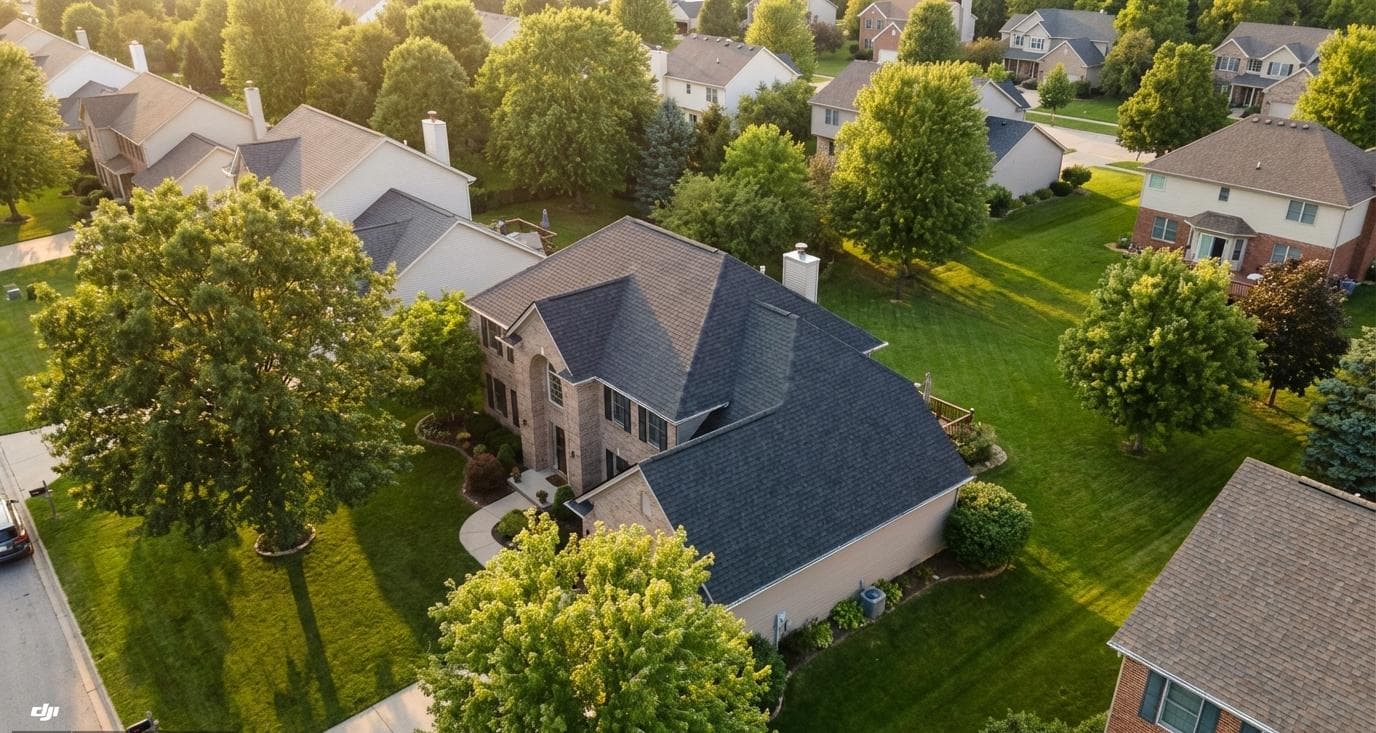
If your roof is leaking, keep people away from wet electrical fixtures and a sagging ceiling. Move belongings out of the drip path when it's safe, catch water in a container, and call a roofer. Stay off the roof. A wet ladder or a slippery shingle isn't worth the risk.
For an active leak in Des Moines, call Bakeris Roofing at (515) 967-8199. Tell us whether water is still coming in and whether the ceiling is sagging. After hours, call (515) 762-5880 to give our intake line the details. That line takes the information for the team; it doesn't mean a crew is already on its way.
What should you do while water is coming in?
Start with the room, not the roof. You don't need to find the entry point yourself before calling for help. A stain tells you where water ended up, which can be several feet from where it entered.
- Keep children, pets, and other people out of the affected area. If the ceiling is bulging, cracking, or shedding material, don't stand under it or try to puncture it.
- Keep away from water near a ceiling light, outlet, appliance, or electrical panel. Don't touch wet switches or fixtures. If there's an immediate danger, leave the area and call emergency services. Have an electrician handle the electrical hazard.
- Move furniture, electronics, and rugs only if you can reach them safely. Set a bucket under a drip where the ceiling above it is sound. Don't leave a container where someone could trip over it.
- Take photos from a safe, dry spot. Record when you first noticed the leak, whether it was raining, and which rooms are affected.
- Call for roof repair in Des Moines. Say "water is coming in now" if it's active, rather than asking for a general estimate.
The American Red Cross's water and electrical safety guidance explains why wet electrical equipment needs professional attention. Don't plug in a fan or dehumidifier in a wet area until the electrical supply is safe.
What should you tell the roofer?
Give us your address, a callback number, and a short description of what you can see. "Water is dripping in the upstairs bedroom beside the chimney" is more useful than a guess about which shingles need replacing.
Tell us if a tree limb hit the roof, shingles are visible on the ground, or water is coming through more than one room. Mention a skylight, chimney, or plumbing vent near the affected area if you know about it. Photos taken from inside the house or from the ground can help the team understand the problem before the visit.
You can request help online when the situation is stable. For water entering right now, use the phone and explain the urgency. We serve Des Moines, Altoona, and the surrounding metro from our Des Moines office and Runnells headquarters. Ask about availability for your address and the current weather.
Should you put a tarp on the roof yourself?
Leave roof tarping to a roofer. Wind, rain, damaged decking, and a wet roof make access dangerous. A tarp also needs to shed water correctly and be secured without creating more damage. Don't climb up to inspect the leak or try to reach it from a ladder during a storm.
When conditions allow, emergency roof repair can include temporary protection before a permanent repair. Tell the team if another storm is approaching or if the opening is exposed. Roof access depends on safe conditions; a phone call doesn't make a storm-damaged roof safe to walk.
A tarp is temporary protection. It doesn't tell you whether the underlying problem is a pipe boot, flashing, a damaged shingle, or a larger failure. Once the water is controlled, the source still needs to be traced and repaired.
Does a ceiling stain mean you need a new roof?
A ceiling stain alone doesn't tell you to replace the roof. A failed seal around a plumbing vent or a flashing problem can let water into a roof that's otherwise repairable. Widespread damage, deteriorated decking, and repeated failures need a broader evaluation.
The inspection should connect the interior water path to the exterior problem. Tell the roofer if the stain appears only during wind-driven rain, during snowmelt, or even when there's been no rain. Plumbing, exhaust ducts, and attic condensation can also produce moisture that looks like a roof leak. Our roof leak or attic condensation guide explains the clues to record before an inspection.
Don't paint over the stain and assume the problem is finished because it stopped raining. Ask what caused the leak, what the proposed repair includes, and whether wet decking or insulation needs attention. Our repair versus replacement article covers the larger decision once the immediate leak is under control.
What does a Bakeris leak inspection cost?
For a repair-only problem, Bakeris's $98 service call covers diagnosis and is credited toward the repair if you approve the work. Suspected storm damage inspections and full roof replacement estimates are free. Describe the problem when you call so the team can explain which appointment fits.
The service call isn't the total repair price. Repair scope depends on what failed, how the roof can be accessed, and whether water has damaged materials underneath. See the Des Moines roof repair cost article and free inspection versus service call explanation before comparing quotes.
If the leak followed hail or wind, save your photos and ask about storm damage inspection. The roofing assessment documents condition and repair scope. Your insurer determines coverage under your policy.
What needs attention after the roof is repaired?
Stopping the leak and drying the house are separate jobs. Wet insulation, drywall, and flooring can remain damp after the roof stops admitting water. Ask who will assess the interior damage and whether a water restoration contractor is needed.
The EPA recommends drying water-damaged materials within 24 to 48 hours to help prevent mold growth. Don't wait for the permanent roof repair before arranging safe drying. Hidden moisture can need professional assessment, even when the surface looks dry.
Keep the inspection photos, repair scope, invoices, and your own dated pictures together. If you're making an insurance claim, contact your insurer about documentation and emergency mitigation. Claim deadlines vary by policy and insurer.
For help with a roof leak, call (515) 967-8199. After hours, call (515) 762-5880 to leave the details with our intake line.