
Roof Replacement in Iowa (2026): What to Expect
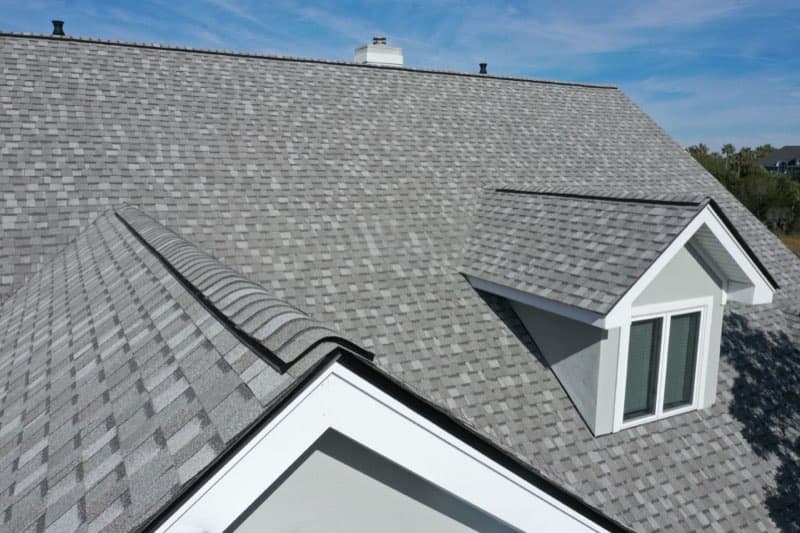
You signed the contract last week. The deposit cleared, the color is picked, and the crew shows up next Tuesday. Now what? If you've never lived through a roof replacement before, the next couple of weeks can feel like a black box. You hear "tear-off" and "decking" and "ice and water shield" thrown around, and you nod along, but nobody actually walks you through what's about to happen to your house. Here's what happens, in what order, on a typical Iowa roof replacement in 2026, from the day you sign through a single-day install to the day the warranty paperwork lands in your inbox.
For a standard single-family Iowa home, we tear off your old roof and install your new one in a single day. Most jobs start at sunrise and are buttoned up by dinner. Very large, very steep, or unusually complex roofs can run into a second day, and your foreman will tell you up front if that applies to your house.
Before the truck arrives (1-2 weeks before)
Most of the work happens before you ever see a shingle. Once your contract is signed, the office sends in your shingle order and accessories to the supplier, and locks in a crew date. In Iowa, material lead times in 2026 are usually 3-7 business days for standard architectural shingles, longer if you picked something specialty like a designer or impact-rated product.
Scheduling is the part homeowners underestimate. Your installer is watching the 10-day forecast like a hawk. Iowa storm season runs hard from April through October, and nobody wants to tear a roof off when there's a 60% chance of severe weather rolling in from Nebraska that afternoon. If your date gets bumped by a day or two, that's actually a good sign. It means your contractor isn't gambling with your decking.
About 48 hours before the crew arrives, you'll get a prep call or text. Here's what you need to handle on your end:
- Move both cars out of the driveway and onto the street. The crew needs the driveway for the dump trailer and the material delivery.
- Take anything fragile off the walls of rooms directly under the attic. The hammering vibration travels.
- Plan to keep pets indoors all day, every day, until cleanup is done. Nails and dogs do not mix.
- If you have a satellite dish, decorative landscaping right next to the house, or a koi pond, flag it now. Don't assume the crew knows.
- Cover anything in the attic you care about with a tarp or old sheet. Insulation dust falls.
You don't need to be home, but somebody with decision-making authority should be reachable by phone all day in case the crew finds something unexpected under the old shingles.
How we replace your roof in a single day
We run a full crew on every replacement, typically 6 to 10 installers per home, and the work happens in parallel rather than back-to-back. While one team is still pulling shingles off the back slope, another is already laying underlayment on the front. That's how a job that some contractors stretch over three days gets done by Bakeris between sunrise and dinner.
The phases below all happen on the same day. We've broken them out so you can see the order and understand what you're looking at when you glance out the window.
Morning: Tear-off and decking inspection (3-5 hours)
The crew rolls up between 6:30 and 7:30 AM. First thing they do is set up: dump trailer in the driveway, tarps and plywood guards over your landscaping and AC unit, magnetic sweep tools staged on the ground. By 7:30 AM, multiple installers are on the roof.
Tear-off is loud. There's no way around it. You'll hear shovels scraping, shingles thudding into the dump trailer, and the steady rhythm of nails being pulled. If you're working from home, plan to leave or plan to wear headphones. A typical Iowa ranch or two-story (1,800-2,800 square feet of roof area) gets fully torn off in 3-5 hours with our crew size.
Once the old roof is off, the most important step of the whole job happens: decking inspection. The foreman walks every square foot of the exposed plywood or OSB and checks for rot, soft spots, hail-cracked sheathing, and old leak damage. In Iowa, the most common surprise is rotted decking around the chimney, in valleys, and at the base of plumbing vents. Expect 1-3 sheets of replacement on most homes built before 2000. Anything more than that, the foreman should call you before swinging a hammer. Decking replacement is almost always a change order, so you want documentation and a price before they start cutting.
If your house was built before 1978, the crew may also need to address skip sheathing or undersized decking. Iowa code in 2026 requires a minimum 7/16" structural sheathing under asphalt shingles.
Mid-day: Underlayment, ice & water shield, drip edge, valleys
Once the decking is clean and solid, the waterproofing layers go on. This is where a good roof gets separated from a cheap one, and it's mostly invisible once the shingles cover it up. Here's the order, and why each one matters in Iowa specifically:
Drip edge goes on first at the eaves, then later at the rakes after underlayment. It's a thin metal flashing that kicks water off the edge of the deck and into the gutter instead of behind it. Iowa code requires drip edge on all eaves and rakes, no exceptions.
Ice and water shield is a peel-and-stick membrane that goes along the eaves, in every valley, around every penetration (chimney, skylights, vents), and around the rake edges on steep pitches. Iowa requires ice and water shield to extend at least 24 inches inside the warm wall line. On most homes that's two full courses, sometimes three. This is your insurance policy against ice damming, which is what happens every January when snow melts on a warm part of the roof, refreezes at the cold eave, and backs water up under the shingles.
Synthetic underlayment covers the rest of the deck. It's a woven plastic sheet that's stronger, lighter, and more tear-resistant than old felt paper. It acts as a secondary water barrier under the shingles.
Valley liner is an extra layer of ice and water shield or specialty valley material in every roof valley. Iowa snow loads dump water through valleys, so this is non-negotiable.
By early afternoon, the entire roof is "dried in." If a surprise storm rolled through, you'd stay dry, even before the shingles are on.
Afternoon: Shingle installation
This is the part you actually see, and on most homes it's happening on the front slope before tear-off is fully done on the back. Shingles install from the bottom up, starting with a starter strip along the eaves and rakes. Starter strip is critical. It's a specialty shingle with adhesive pre-applied that locks the bottom edge down against wind uplift. Iowa gets 60+ mph straight-line winds every summer, and the starter strip is what keeps your first course from peeling back.
Then the field shingles go on, course by course, in a staggered pattern. A good crew nails 4-6 nails per shingle (high-wind zones get 6), all hand-driven or pneumatic-driven at the manufacturer's specified location on the nail line. Nails too high or too low is the single most common failure point on cheap installations. If the nails miss the reinforced strip, the wind warranty is void.
While the field is going on, the flashing crew works the details: step flashing at the sidewalls, counter-flashing at the chimney, pipe boots over every plumbing vent, and new flashing kits around skylights. Old flashing almost always gets replaced. If your contractor is reusing flashing, ask why.
Ventilation is the other piece nobody talks about. Iowa attics need balanced intake (soffit vents) and exhaust (ridge vent or box vents). If your old roof was under-ventilated, this is the time to fix it, because the wrong ventilation cooks shingles from underneath and voids the manufacturer warranty. Ridge cap shingles go on last, sealing the peak with matching color and venting the attic.
End of day: Cleanup and walkthrough
By late afternoon (typically 5-6 PM) the roof is done. Now comes the part that separates a professional crew from a hack: cleanup. A real cleanup looks like this:
- Magnetic nail sweep across the entire yard, driveway, sidewalk, and street. Done twice. Once before the dump trailer leaves, once after.
- Gutter clean-out. Every gutter and downspout gets checked for shingle granules, nail fragments, and tear-off debris.
- Walk the perimeter and pick up any wrappers, nails, or shingle scraps by hand.
- Tarps come off the landscaping, AC unit gets uncovered, decorative items get put back.
- Final walkthrough with the homeowner. The foreman shows you the finished work, points out any details you should know about, and answers questions.
You should also get photo documentation. Before, during, and after photos of decking, flashing, valleys, and the finished roof. If your contractor doesn't volunteer photos, ask. You'll want them for warranty registration and resale.
Week 1 after install: Final inspection and warranty paperwork
The roof is done, but the project isn't. Within 3-7 business days, your city's building inspector comes out and signs off on the permit. You don't need to be home for this. The inspector pulls up, looks at the work, checks the permit card, and either passes or flags something. In Iowa, most roofs pass first inspection when the contractor knows local code.
Once the city signs off, a few things happen in quick succession:
- Final invoice goes out. If you paid a deposit, this is the balance due.
- If your roof was an insurance claim, your contractor sends the depreciation release paperwork to your insurance company. The insurance company then releases your held-back depreciation check.
- Warranty registration. Your contractor registers the manufacturer warranty in your name with the shingle company. You should get a warranty certificate by email within 30 days. Save it. You'll need it if you sell the house.
- Workmanship warranty documentation from the contractor lands in your inbox or mailbox.
What can delay the project
Iowa roofing schedules slip. Here are the most common reasons, ranked by frequency:
- Weather. Rain, hail, high winds, even excessive heat (above 95F can soften shingles and make them install poorly). We don't tear off if rain is in the forecast, so a one-day weather delay is normal in storm season, sometimes a few days back-to-back if a system parks over Iowa.
- Decking surprises. Finding 8 sheets of rot instead of 2 can stretch a one-day install into the early evening, or rarely push some finish work to the next morning. It's the main reason a normally one-day job ever spills into a second day.
- Supply chain. Shingle color shortages still happen in 2026, especially on specialty colors and designer lines.
- Permit lag. Most Iowa cities turn permits around in 1-3 business days, but Des Moines and West Des Moines can take a week during peak season.
- Homeowner change orders. Deciding mid-install to add a skylight, change shingle color, or upgrade ventilation pushes the schedule.
A reasonable contractor communicates delays proactively. If you're hearing about a delay from the crew showing up late instead of from the office calling the night before, that's a red flag.
How Bakeris approaches replacements differently
We've been doing this in central Iowa for 36 years, and there are a few things we do that aren't standard across the industry. We work with vetted roofing crews who follow Bakeris installation specs, protect your property, and answer to our project leads from tear-off through ridge cap.
We're an Owens Corning Platinum Preferred Contractor, which is a designation less than 1% of roofers in the country hold. That gets you access to the OC Platinum warranty, the strongest non-prorated warranty in the asphalt shingle business. It covers materials and workmanship together, transfers to the next homeowner, and is backed by Owens Corning directly.
Jeff Bakeris still answers the phone. The man whose name is on the truck is the man you can call. That matters when something goes sideways at year 7 and you need a workmanship claim handled. 700+ Google reviews say it works.
For pricing breakdowns, square-foot math, and how insurance claims affect your out-of-pocket cost, see Roof Replacement Cost in Ankeny, Iowa (2026). For the full scope of what's included in a Bakeris roof replacement, or to see the Des Moines areas we serve, check the linked pages.
About Bakeris Roofing
Bakeris Roofing has served central Iowa homeowners since 1990. We're family-owned, Owens Corning Platinum Preferred certified, and we've earned 700+ Google reviews from Ankeny, Des Moines, Waukee, Urbandale, West Des Moines, and the surrounding communities. We do full replacements, storm damage claims, and repairs, with vetted crews and a workmanship warranty that's backed by 36 years of staying in business.
Ready to schedule your replacement, or want a storm-damage inspection before storm season? Call us at (515) 967-8199 or contact us online. We'll walk your roof, give you a straight answer on whether you actually need a replacement, and if you do, we'll explain every step before you sign anything.